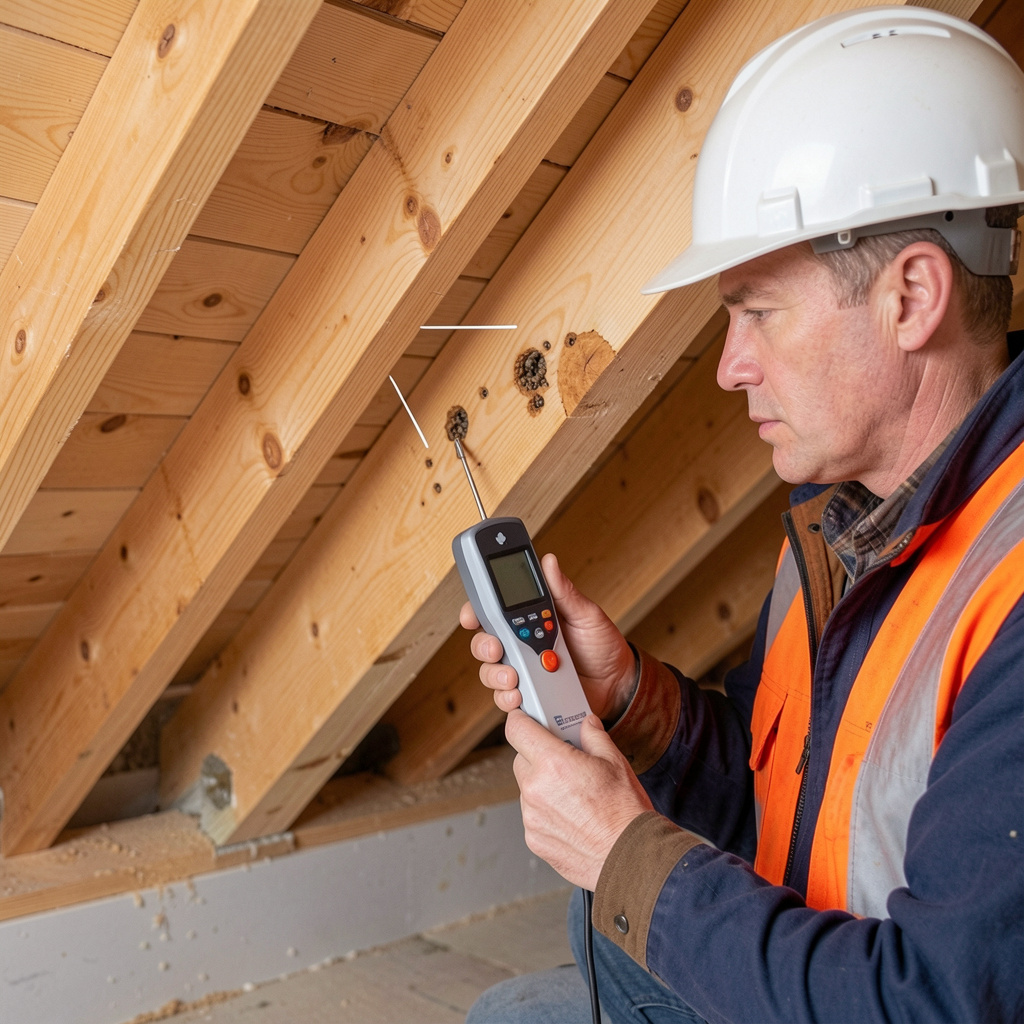
Wood-frame homes are admired for their timeless beauty, natural insulation, and structural flexibility. From traditional cottages and historic timber-framed buildings to modern wooden homes, timber remains one of the world’s most sustainable and attractive construction materials. With proper care, a well-built wood-frame home can last for generations.
However, because wood is a natural material, it requires regular maintenance to protect it from moisture, wood-boring insects, fungal decay, and everyday weathering. Fortunately, many major problems can be prevented through routine inspections, timely repairs, and environmentally responsible maintenance practices.
In this guide, you’ll learn the most important maintenance tips for wood-frame homes, how to prevent common timber problems, and when to seek professional assistance.
Why Wood-Frame Homes Require Regular Maintenance
Unlike steel or concrete, timber naturally expands and contracts with changes in temperature and humidity. While this flexibility is one of wood’s strengths, prolonged exposure to moisture and pests can gradually weaken structural components.
Common threats include:
- Woodworm (wood-boring beetles)
- Termites (in some regions)
- Moisture damage
- Fungal decay
- Mold and mildew
- UV weathering
- Poor ventilation
Routine maintenance helps identify these issues before they become expensive structural repairs.
1. Inspect Your Home at Least Once a Year
Annual inspections are one of the most effective ways to keep a wood-frame home in excellent condition.
Pay close attention to:
- Roof beams
- Floor joists
- Exterior cladding
- Window frames
- Door frames
- Porches and decks
- Basement timbers
- Crawl spaces
Look for:
- Small exit holes
- Powdery wood dust (frass)
- Soft or damaged timber
- Cracks
- Water stains
- Signs of insect activity
Early detection can significantly reduce repair costs.
2. Keep Moisture Under Control
Moisture is one of the biggest enemies of timber.
Excess water encourages fungal decay and creates conditions that are more attractive to certain wood-boring insects.
Moisture Prevention Tips
- Repair roof leaks immediately.
- Fix plumbing leaks promptly.
- Clean gutters regularly.
- Maintain proper drainage around the foundation.
- Keep downspouts directing water away from the home.
- Inspect flashing around chimneys and skylights.
Dry timber lasts much longer than damp timber.
3. Improve Ventilation
Good airflow helps prevent condensation and excessive humidity.
Areas that deserve special attention include:
- Roof spaces
- Attics
- Crawl spaces
- Basements
- Utility rooms
Proper ventilation helps keep structural timber dry throughout the year.
4. Protect Exterior Wood
Exterior timber is exposed to rain, sunlight, snow, and temperature changes.
Regularly inspect:
- Siding
- Decking
- Fencing
- Porch posts
- Outdoor stairs
Where appropriate, maintain protective finishes according to the manufacturer’s recommendations and repair damaged coatings before moisture can penetrate the wood.
5. Watch for Signs of Woodworm
Woodworm often remains hidden until visible damage appears.
Common warning signs include:
- Small round exit holes
- Fine powdery frass
- Weak or crumbling timber
- Adult beetles emerging during warmer months
If you notice these signs, arrange a professional inspection before the infestation spreads.
6. Consider Modern Woodworm Treatment Options
If an active infestation is confirmed, treatment should be selected based on the pest species, timber condition, and extent of the damage.
One increasingly popular option is microwave woodworm treatment.
Professional microwave equipment generates controlled heat inside timber through dielectric heating, eliminating:
- Woodworm larvae
- Beetle eggs
- Pupae
- Adult wood-boring beetles
Benefits
- Chemical-free
- No pesticide residues
- Targeted treatment
- Suitable for many heritage buildings
- Helps preserve original timber
A timber preservation specialist can determine whether this treatment is suitable for your home.
7. Seal Gaps and Entry Points
Small openings allow insects and moisture to enter the structure.
Inspect and repair:
- Cracks around windows
- Door frames
- Utility penetrations
- Exterior joints
- Foundation openings
Preventing entry reduces the likelihood of future pest problems.
8. Monitor Indoor Humidity
Indoor humidity affects the condition of wooden structures.
Excessively damp conditions may encourage fungal growth, while extremely dry air can contribute to shrinkage and cracking.
Maintaining balanced indoor humidity helps preserve structural timber and wooden finishes.
9. Maintain Landscaping
Trees, shrubs, and climbing plants should not remain in constant contact with exterior walls.
Proper landscaping helps:
- Improve airflow.
- Reduce moisture retention.
- Make inspections easier.
- Prevent branches from damaging the building.
Keep vegetation trimmed away from timber siding whenever possible.
10. Schedule Professional Inspections
Older homes, heritage buildings, and timber-framed properties benefit from periodic professional inspections.
A specialist can identify:
- Hidden insect activity
- Moisture problems
- Structural concerns
- Early fungal decay
- Maintenance priorities
Professional advice often prevents expensive future repairs.
Preventive Maintenance vs. Reactive Repairs
| Feature | Preventive Maintenance | Reactive Repairs |
|---|---|---|
| Cost | Usually lower | Often higher |
| Structural Damage | Often prevented | Already present |
| Timber Preservation | Excellent | May require replacement |
| Long-Term Property Value | Better protected | Can be affected by delayed maintenance |
Preventive care is almost always more cost-effective than repairing extensive damage.
Common Myths About Wood-Frame Homes
Myth 1: Wood Homes Require Constant Repairs
Fact: With regular inspections and routine maintenance, wood-frame homes can remain durable and structurally sound for many decades.
Myth 2: Woodworm Only Affects Old Houses
Fact: Wood-boring beetles can infest both older and newer timber if conditions are suitable.
Myth 3: Ventilation Alone Prevents Every Timber Problem
Fact: Good ventilation is important, but long-term protection also requires moisture control, inspections, and prompt treatment when problems arise.
Seasonal Maintenance Checklist
Spring
- Inspect the roof for winter damage.
- Clean gutters and downspouts.
- Check for moisture problems.
Summer
- Inspect exterior timber.
- Monitor for signs of woodworm.
- Trim vegetation around the home.
Autumn
- Remove leaves from gutters.
- Prepare for increased rainfall.
- Check attic ventilation.
Winter
- Monitor indoor humidity.
- Inspect for condensation.
- Watch for water leaks after storms.
Following a seasonal routine helps maintain your home’s condition throughout the year.
When Should You Contact a Professional?
Professional advice is recommended if:
- Fresh frass continues appearing.
- New exit holes develop.
- Structural timber feels soft or weakened.
- Moisture problems persist.
- You own a historic timber-framed property.
- You’re considering modern treatment options such as microwave woodworm treatment.
A qualified timber preservation specialist can inspect your home, identify any hidden issues, and recommend the most effective maintenance or treatment plan.
Conclusion
Wood-frame homes combine natural beauty, sustainability, and long-lasting performance, but they require consistent care to remain in excellent condition. Regular inspections, moisture control, proper ventilation, timely repairs, and preventive maintenance are the foundation of protecting structural timber from woodworm, decay, and weather-related damage.Visit online https://www.shashel.eu for more details .
If an infestation is discovered, professional treatment—whether through approved chemical products or modern chemical-free technologies such as microwave woodworm treatment—can help protect your home’s structural integrity. By staying proactive and addressing small issues before they become major problems, you can preserve the value, safety, and character of your wood-frame home for generations to come.