Small dogs often have big personalities. Their size makes them wonderful companions for apartment living, travel, and family life, but it can also lead owners to overlook behaviors that would be addressed immediately in larger breeds. Jumping, excessive barking, leash pulling, or resource guarding may seem harmless in a tiny dog, yet these habits can become difficult to manage over time. That is why dog training for small breed dogs deserves the same attention and consistency as training for any other breed. Rob’s Dog Training emphasizes that consistent, positive guidance helps small dogs develop the confidence and manners needed to succeed in everyday life.
Many people assume small dogs naturally require less training because they are easier to pick up or physically control. In reality, successful training focuses on communication rather than size. Dogs thrive when they understand expectations, receive consistent feedback, and have opportunities to practice positive behaviors every day. With the right approach, small breed dogs become confident, well-mannered companions capable of handling new environments, meeting unfamiliar people, and adapting to everyday routines with ease.
Why Small Breed Dogs Need Consistent Training
Small breed dogs are intelligent and eager to learn, but their compact size often changes how people respond to their behavior. Owners may tolerate actions like jumping, barking, or pulling simply because they appear less intimidating than when performed by larger dogs.
Unfortunately, inconsistent responses create confusion. Dogs learn through repeated experiences, so allowing unwanted behavior one day while correcting it the next sends mixed signals. Consistent training helps establish clear boundaries while building trust between the dog and its owner.
Training also contributes to a dog’s emotional well-being. Dogs that understand household expectations generally experience less stress because they know how to respond in different situations.
Understanding Small Breed Personalities
Each breed has unique characteristics, but many small dogs share similar behavioral tendencies that influence training.
Some common traits include:
- High energy despite their size
- Strong attachment to owners
- Alertness toward unfamiliar sounds
- Fast learning ability
- Sensitivity to harsh corrections
- Natural curiosity
Recognizing these characteristics allows owners to tailor training sessions appropriately. Rather than forcing a one-size-fits-all approach, successful trainers adapt techniques to the dog’s personality, confidence level, and motivation.
Building Confidence Through Early Training
Confidence plays a major role in behavior. A confident dog is more likely to remain calm when encountering new people, unfamiliar dogs, different environments, or unexpected sounds.
Early training introduces puppies to everyday experiences in positive ways. Exposure should happen gradually while ensuring the puppy feels safe throughout each interaction.
Helpful confidence-building activities include:
- Walking on different surfaces
- Meeting friendly people
- Visiting pet-friendly locations
- Hearing household noises
- Riding in the car
- Learning basic handling during grooming
Positive experiences during early development help reduce fear-based behaviors later in life.
Positive Reinforcement Creates Better Learning
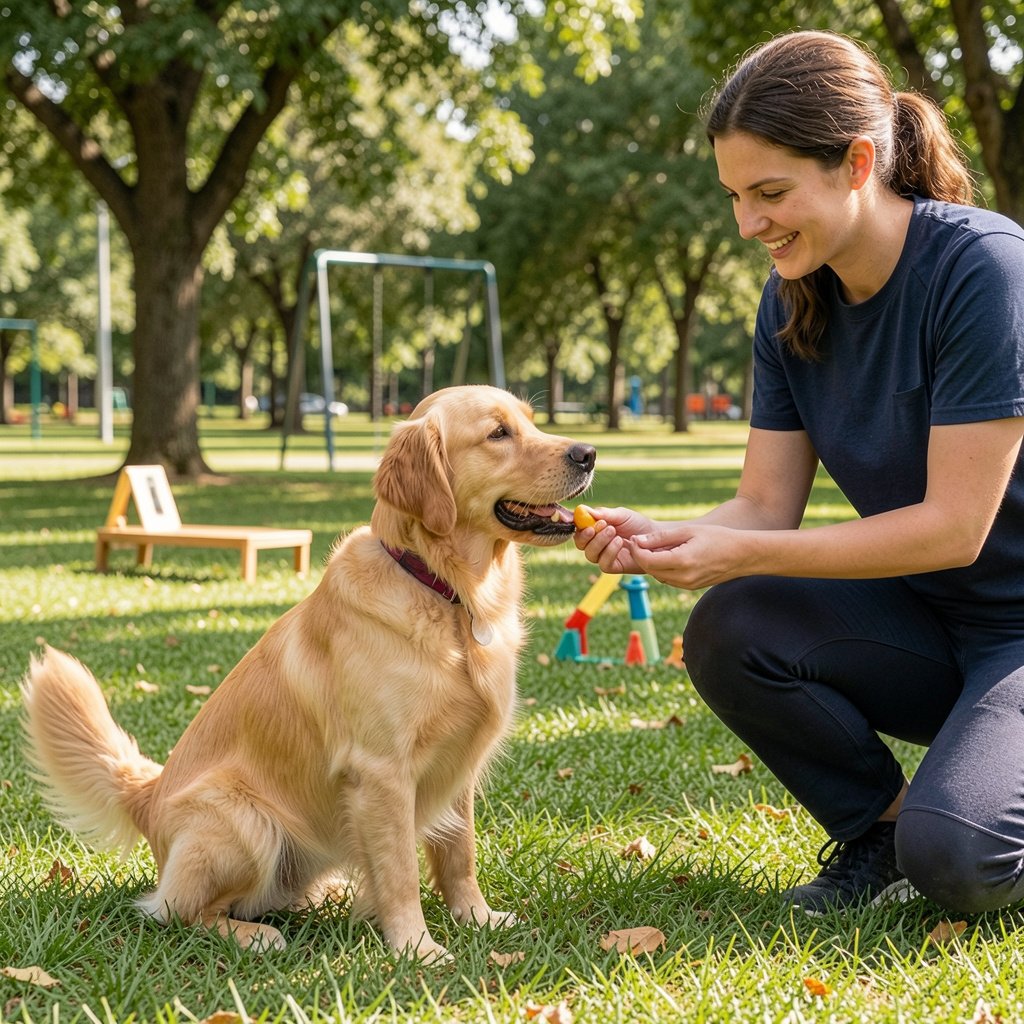
Modern dog training emphasizes rewarding desirable behaviors rather than punishing unwanted ones. Positive reinforcement encourages dogs to repeat behaviors that produce rewarding outcomes.
Rewards can include:
- Small treats
- Praise
- Toys
- Play sessions
- Affection
- Access to favorite activities
The timing of the reward matters just as much as the reward itself. Delivering reinforcement immediately after the desired behavior helps dogs clearly understand what earned the reward.
This approach encourages learning while maintaining trust and enthusiasm throughout training sessions.
Dog Training for Small Breed Dogs at Home
Daily routines provide countless opportunities for training without requiring long formal sessions.
Simple activities can reinforce good behavior throughout the day:
Meal Time
Ask for a simple behavior such as sitting before placing food down.
Door Manners
Teach the dog to wait calmly before exiting doors.
Walking
Reward loose-leash walking instead of pulling.
Visitors
Practice calm greetings before guests enter the home.
Rest Time
Encourage relaxation by rewarding calm behavior on a designated bed or mat.
Short, consistent practice throughout daily life produces stronger long-term habits than occasional lengthy training sessions.
Preventing Small Dog Syndrome
“Small dog syndrome” describes behaviors that develop when owners unintentionally allow inappropriate habits because the dog is physically small.
Examples include:
- Constant barking
- Jumping on people
- Guarding toys or food
- Ignoring commands
- Lunging on walks
- Excessive attention-seeking
These behaviors are not caused by the dog’s size but by inconsistent expectations. Establishing boundaries with kindness and consistency helps prevent these habits from becoming deeply ingrained.
Teaching Essential Obedience Skills
Every dog benefits from learning foundational skills that improve communication and safety.
Important behaviors include:
- Sit
- Down
- Stay
- Come
- Leave it
- Drop it
- Loose-leash walking
- Place or settle
These commands support everyday life while creating opportunities to reinforce positive behavior in various environments.
Training should progress gradually, beginning in quiet locations before introducing additional distractions.
Socialization Goes Beyond Meeting Dogs
Many owners think socialization simply means allowing dogs to interact with other dogs. Effective socialization involves much broader exposure.
Dogs benefit from positive experiences with:
- Children
- Adults
- People wearing hats or uniforms
- Different vehicles
- Vacuum cleaners
- Elevators
- Stairs
- Veterinary visits
- Grooming appointments
- Outdoor environments
Carefully managed exposure teaches dogs that unfamiliar situations are normal rather than threatening.
Managing Barking Without Punishment
Barking serves as a natural form of communication. Small breeds often bark because they notice environmental changes quickly.
Instead of attempting to eliminate barking entirely, owners should identify the underlying cause.
Common reasons include:
- Alerting owners
- Boredom
- Anxiety
- Excitement
- Fear
- Attention seeking
Training alternative behaviors often proves more successful than punishment. Teaching a dog to go to a mat, make eye contact, or remain quiet for rewards encourages calmer responses over time.
House Training Small Breed Dogs
House training sometimes takes longer with smaller breeds because of their smaller bladders and faster metabolisms.
Consistency remains the key to success.
Helpful strategies include:
- Frequent outdoor trips
- Predictable feeding schedules
- Immediate rewards after elimination outdoors
- Careful supervision indoors
- Crate training when appropriate
- Cleaning accidents thoroughly
Owners should focus on preventing accidents rather than reacting after they occur.
Making Training Sessions Enjoyable
Dogs learn best when training remains engaging and rewarding.
Ideal sessions include:
- Five to ten minutes
- Clear goals
- Minimal distractions
- Frequent rewards
- Positive endings
Ending each session with a successful repetition helps maintain motivation for future practice.
Leash Training for Everyday Success
Walking politely on a leash creates safer and more enjoyable outings for both dogs and owners.
Many small dogs pull because they naturally walk faster than owners expect or become excited by their surroundings.
Loose-leash training involves rewarding the dog for staying close without creating tension on the leash. Stopping when pulling occurs and rewarding relaxed walking encourages the dog to choose the desired behavior voluntarily.
Consistency across every walk produces the best results.
Mental Stimulation Is Just as Important
Physical exercise alone does not fully satisfy most dogs. Mental enrichment reduces boredom while encouraging problem-solving skills.
Simple enrichment ideas include:
- Food puzzle toys
- Scent games
- Hide-and-seek
- Trick training
- Short obedience practice
- Interactive feeding
- Rotating toys
Mental activities often tire dogs as effectively as physical exercise while strengthening the relationship between owner and pet.
Avoiding Common Training Mistakes
Even dedicated owners sometimes develop habits that unintentionally slow progress.
Some common mistakes include:
- Repeating commands multiple times
- Training only occasionally
- Rewarding unwanted behavior accidentally
- Expecting immediate perfection
- Using punishment instead of guidance
- Ending sessions after mistakes
- Skipping practice in different environments
Recognizing these patterns allows owners to adjust their approach before undesirable habits become established.
Creating Lifelong Good Habits
Training should not end after puppies master basic commands. Dogs continue learning throughout their lives, making regular practice valuable at every age.
Maintaining consistent expectations helps preserve good manners while preventing behavioral regression.
Owners can reinforce learned skills during:
- Daily walks
- Mealtimes
- Family gatherings
- Travel
- Grooming
- Veterinary visits
- Outdoor adventures
These everyday experiences become opportunities to strengthen communication while keeping training enjoyable.
When Professional Guidance Can Help
Some behavioral challenges require additional expertise, especially if a dog experiences significant fear, anxiety, or reactivity.
Working with experienced trainers provides personalized guidance tailored to the dog’s temperament, learning style, and household environment. Professional instruction also helps owners improve timing, consistency, and communication while addressing specific behavioral goals more efficiently.
Even well-behaved dogs benefit from structured training programs that introduce new skills and reinforce existing ones.
Final Thoughts
Effective dog training for small breed dogs is built on patience, consistency, and positive communication rather than physical control. Small dogs are capable of learning impressive skills when owners provide clear guidance, reward desirable behavior, and practice regularly in everyday situations. By focusing on confidence, socialization, mental enrichment, and consistent expectations, owners can raise calm, well-mannered companions that thrive in a variety of environments.
Businesses like Rob’s Dog Training demonstrate how thoughtful, reward-based training helps dogs and their families build stronger relationships that last for years.